4 Feb 2026
Telemedicine App Development Cost in USA: A Complete Pricing Guide for 2026

Matthew Connor




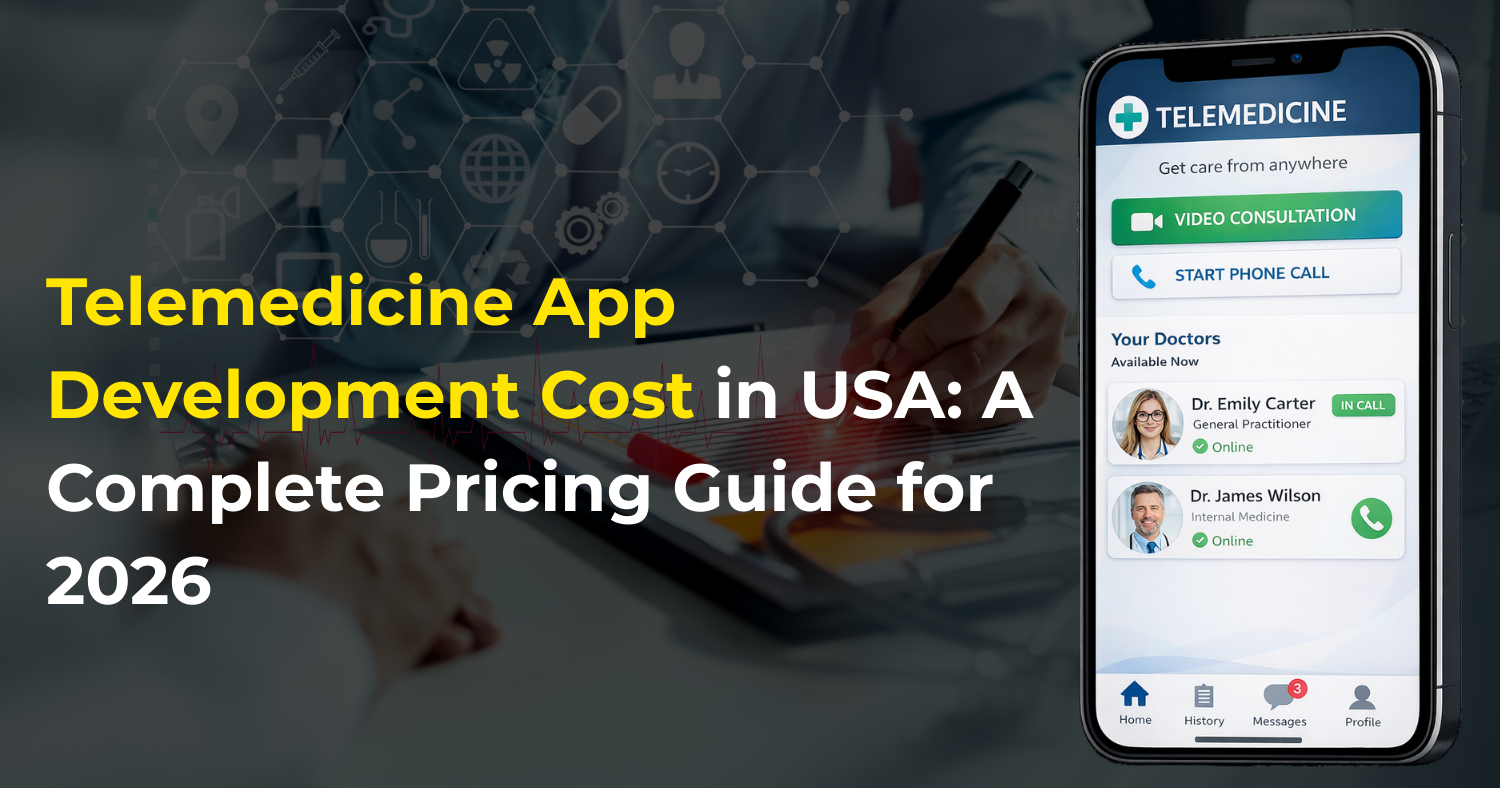
The Telemedicine App Development Cost in the USA in 2026 typically ranges from $40,000 to over $300,000, depending on app features, security measures, and compliance requirements. If you are planning to build a telemedicine app, understanding this cost upfront can help you plan the right budget and avoid unexpected expenses. Telemedicine apps allow patients to consult doctors online through video calls, chat, and digital prescriptions, providing convenient and timely healthcare access.
In the USA, demand for telehealth solutions is increasing rapidly as patients look for safe, quick, and affordable medical services. Hospitals, clinics, and startups are investing heavily in digital health platforms to remain competitive. However, the overall cost of developing a telemedicine app is not fixed and varies based on multiple factors, including app complexity, platform selection, HIPAA compliance, UI/UX design quality, and the location and experience of the development team.
What Is a Telemedicine App?
A telemedicine app is a digital healthcare app that helps patients talk to doctors and healthcare providers without visiting a hospital. People can use these apps on their mobile phones or computers to get medical help from home. Working with a Medicine Delivery App Development Company ensures all features are implemented correctly and securely.
These apps use video calls, voice calls, and chat to connect patients with doctors. Some apps also allow users to share reports, get prescriptions, and book follow-up visits. Telemedicine apps save time and make healthcare more comfortable, especially for people who live far from hospitals.
Popular Telemedicine Apps in the USA with Pricing Details
Understanding the telemedicine app development cost in the USA is easier by looking at popular apps in the market. These apps demonstrate how features, services, and pricing models are applied in real life. The prices below are average and may vary based on insurance, location, and type of service.
Teladoc Health
Teladoc Health is one of the most trusted and widely used telemedicine apps in the USA. It allows patients to talk to doctors from home using video calls or chat. The app is used by individuals, families, employers, and even large hospitals. Many insurance companies in the USA support Teladoc, which helps lower visit costs for users.
Pricing
- $0 to $75 per visit (with insurance)
- $75 to $95 per visit (without insurance)
- Mental health sessions usually cost $90 to $120
The final price depends on the type of doctor and the length of the visit.
Services Offered
- General doctor visits for common health issues
- Mental health support for stress, anxiety, and depression
- Long-term care for health problems like diabetes
- Skin and nutrition advice
Why It Matters
Teladoc uses strong data safety rules, smooth video calls, and smart care tools. These advanced features increase the telehealth software cost during development but also build strong user trust.
Amwell
Amwell is a popular telemedicine platform used by hospitals and healthcare groups across the USA. It focuses on video-based doctor visits and is known for its clean design and easy use. Many healthcare providers use Amwell as their main online care system.
Pricing
- $79 per urgent care visit
- $99 to $120 for therapy sessions
- Specialist visits may cost more
Insurance can lower the total cost for some users.
Services Offered
- Online doctor visits
- Therapy and counseling sessions
- Psychiatry services
- Follow-up visits after treatment
Why It Matters
Amwell shows how adding specialist doctors and hospital systems raises the cost of telemedicine software. These features need more setup, testing, and safety checks.
MDLive
MDLive is known for offering 24/7 access to doctors at a fair price. Many users like MDLive because it is easy to use and works well with insurance plans. It is a good choice for urgent health needs.
Pricing
- $0 to $82 per visit (with insurance)
- $82 to $95 per visit (without insurance)
- Mental health visits cost between $108 and $175
Services Offered
- Urgent care for quick medical help
- Skin care and dermatology visits
- Mental health support
- Online prescriptions
Why It Matters
MDLive proves that even simple-looking apps need strong backend systems, data safety, and smooth performance, which adds to development cost.
Doctor on Demand
Doctor on Demand is known for high-quality video calls and trusted doctors. It focuses strongly on user experience and care quality. Many users choose this app for therapy and mental health support.
Pricing
- $75 for urgent care visits
- $129 to $179 for therapy sessions
- Psychiatry visits may cost more
Services Offered
- Video doctor consultations
- Mental health therapy
- Preventive health care
- Prescription support
Why It Matters
Clear video, fast connections, and smooth design increase the telemedicine app development cost in the USA, but they also improve patient satisfaction.
PlushCare
PlushCare works like an online clinic. It supports long-term care and allows patients to see the same doctor again and again. This helps build better doctor–patient relationships.
Pricing
- $129 per visit
- Membership fee: $14.99 per month
- Insurance may reduce visit costs
Services Offered
- Primary care visits
- Long-term treatment plans
- Prescription refills
- Lab test support
Why It Matters
Membership plans need user accounts, billing systems, and patient history tracking. These features raise development cost but improve care quality.
Telemedicine App Development Cost in the USA: Overview for 2026
In 2026, the telemedicine app development cost in the USA depends on the type of app, features, compliance requirements, and technology used. With the rising demand for virtual healthcare services, telemedicine apps now need strong security, smooth video consultations, and seamless data management, which directly affects overall development cost.
- Basic telemedicine app: A basic telemedicine app, which usually costs between $40,000 and $70,000, is ideal for startups, small clinics, and individual doctors who want to start online consultations with a limited budget. This type of app generally includes essential features such as patient and doctor registration, appointment booking, basic chat-based consultations, and a simple admin panel. The design is usually standard, and integrations are kept minimal, which helps reduce both development time and cost. A basic app works well for healthcare providers who want to test the market before investing in advanced telemedicine solutions.
- Mid-level telemedicine app: A mid-level telemedicine app typically falls in the range of $80,000 to $150,000 and is suitable for growing healthcare businesses that need more functionality and a better user experience. These apps often support video and audio consultations, secure in-app messaging, online payments, e-prescriptions, and integration with electronic health record systems. The higher cost is mainly due to improved UI/UX design, stronger security measures, and multiple third-party integrations.
- Advanced telemedicine platform: An advanced telemedicine platform, which can cost $180,000 to $300,000 or more, is designed for hospitals, healthcare networks, and enterprise-level providers. These platforms include complex features such as AI-based symptom checking, remote patient monitoring, wearable device integration, real-time analytics, and cloud-based data storage. They also require strict compliance with healthcare regulations like HIPAA, along with advanced data encryption and system scalability. The higher telemedicine app development cost in the USA reflects the complexity of development, long-term scalability needs, and ongoing maintenance required to support large volumes of patients and medical data.
Also read our guide: A Complete Guide on Medicine Delivery App Development and learn how to create a secure, scalable, and user-friendly medicine delivery app.
Why Telemedicine Apps Are Growing Rapidly in the USA
Before understanding the telemedicine app development cost in the USA, it is important to know why demand is growing so fast.
Key Reasons for Telemedicine Growth
- Rising healthcare costs in traditional hospitals
- Shortage of doctors in rural areas
- Increased demand for remote care after COVID-19
- Better access to smartphones and high-speed internet
- Support from insurance providers and government policies
Because of these reasons, healthcare businesses see telemedicine apps as a long-term investment rather than a short-term trend.
Key Factors Affecting Telemedicine App Development Cost in the USA
- App Features and Functionality: The number and complexity of features directly influence the development cost. More features require additional development time, thorough testing, and ongoing maintenance, which naturally increases the overall budget. For instance, incorporating video consultations, AI-based symptom checkers, e-prescriptions, or real-time patient monitoring adds significant complexity. Even smaller additions like multi-language support, advanced reporting, or integration with wearable health devices can impact the cost. Carefully selecting essential and advanced features ensures that the app meets user needs without overshooting the budget.
- Platform Selection (iOS, Android, or Both): The choice of platform is another critical factor. Developing an iOS-only app usually costs more due to Apple’s strict design standards and optimization requirements, while Android apps tend to be slightly less expensive but require extensive testing across various devices and screen sizes. Cross-platform development using frameworks like Flutter or React Native allows a single app to work on both iOS and Android, reducing development time compared to creating separate native apps. However, supporting multiple platforms increases complexity and the total investment. Platform choice also affects updates, long-term maintenance, and scalability.
- UI/UX Design: A simple, intuitive, and user-friendly design is crucial for healthcare apps. High-quality UI/UX design may increase development costs, but it builds trust and encourages engagement from both patients and doctors. Patients should be able to navigate the app easily to book appointments, access consultations, and view prescriptions, while doctors need efficient workflows for managing appointments and patient records. Investing in professional design reduces errors, minimizes support requests, and improves adoption rates, making it an essential aspect of the app development process.
- Security and Compliance Requirements: Security and compliance are among the most critical factors in healthcare app development. Telemedicine platforms in the USA must adhere to strict regulations such as HIPAA to protect patient data. Key security measures include end-to-end encryption, secure cloud storage, multi-level access control, and detailed audit logs. Implementing and maintaining these features requires specialized development expertise, testing, and continuous updates. Any lapse in security can result in legal penalties, reputational damage, and additional costs to fix vulnerabilities.
- Third-Party Integrations: Integrating third-party services can significantly enhance functionality, but it also adds to development effort and cost. Common integrations include payment gateways, video calling APIs, electronic health record (EHR) systems, and pharmacy platforms. Complex integrations, such as linking multiple EHR systems or wearable health devices, require extra development and rigorous testing. Selecting reliable and compatible integrations ensures a seamless user experience and enhances the app’s capabilities without unnecessary complications.
Cost of Telemedicine Software by Feature Type
| Feature Type | Estimated Cost Impact |
| User authentication | Low |
| Video consultation | Medium |
| Payment gateway | Medium |
| EHR integration | High |
| AI diagnostics | High |
| Remote monitoring | High |
Conclusion
The telemedicine app development cost in the USA depends on many factors, but understanding the cost structure helps you plan better. Whether you are a startup, clinic, or hospital, choosing the right features and development strategy can save money and improve results.
With proper planning, compliance, and a skilled development team, telemedicine apps can deliver strong ROI and long-term growth.
Frequently Asked Questions
Related Posts

23 Sep 2025
How To Build Social Media App with Next Gen AI Power
The social media space is a crowded attention marketplace, with many platforms targeting user engagement. Building a new social app in this ecosystem ..
Matthew Connor

4 Mar 2025
Ultimate Guide to Building an AI App Step-by-Step
Artificial Intelligence (AI) is revolutionizing the world by making technology more efficient and companies more productive. From robotics that can pe..
Matthew Connor
Join the newsletter and get all the updates.
Subscribe
 +1 (443) 454-3676
 sales@whitehalltechnologies.com
 501 East Las Olas Blvd., Suite 200 and 300, Fort
Lauderdale, Florida, FL 33301
501 East Las Olas Blvd., Suite 200 and 300, Fort
Lauderdale, Florida, FL 33301


