26 Feb 2026
How Much Does it Cost to Develop a Boat Rental App?

Matthew Connor




If you’re about to launch a “boat rental app”, you’re in the right place. You can now launch your own boat rentals app without any paperwork or back-and-forth.
No calls. No middlemen. No waiting.
Imagine a tourist in Florida booking a yacht for the weekend. A local in Maryland grabbing a fishing boat for an afternoon. Even a weekend warrior in South Carolina finding a speedboat in minutes.
It sounds exciting, right? But here’s the reality. Building a boat rental app isn’t cheap. A basic version starts around $30,000, while a full-featured, polished platform can easily hit $300,000.
So, what drives the cost? Why such a big range? Let’s break it all down.
What Is a Boat Rental App?
First things first. Let’s understand what a boat rental app really is.
Suppose you want to go boating for a day. Maybe you want to fish, take a sunset cruise, or just chill on a speedboat. In the past, you’d have to call a marina, ask about availability, check prices, maybe wait in line, and deal with paperwork. Kind of a hassle, right?
A boat rental app is basically a way for people who own boats to rent them out and for people who want to go boating to find one (without the usual hassle). Think of it like Airbnb, but for boats. You don’t call marinas, wait in line, or deal with piles of paperwork. You just open an app and everything’s there.
For the person renting: it’s a way to find the perfect boat, check photos and reviews, compare options, and book in just a few taps.
For the boat owner: it’s a way to turn idle boats into income – list your boat, set prices, manage when it’s available, and watch bookings roll in.
If you want it to work even better, you’ll need a skilled team. Companies with experience in travel and tourism app development know how to build apps that make bookings easy.
Here’s a quick look at the app types a mobile app development company uses to develop a boat rental app:
Core App Types
- Native Apps: Built specifically for iOS and Android for the best performance.
- Cross‑Platform Apps: Built using frameworks like React Native or Flutter to share code for both iOS and Android (often more cost‑effective).
- Web App: A mobile‑friendly browser version that supports bookings and browsing.
Which Platform Should Your Boat Rental App Live On?
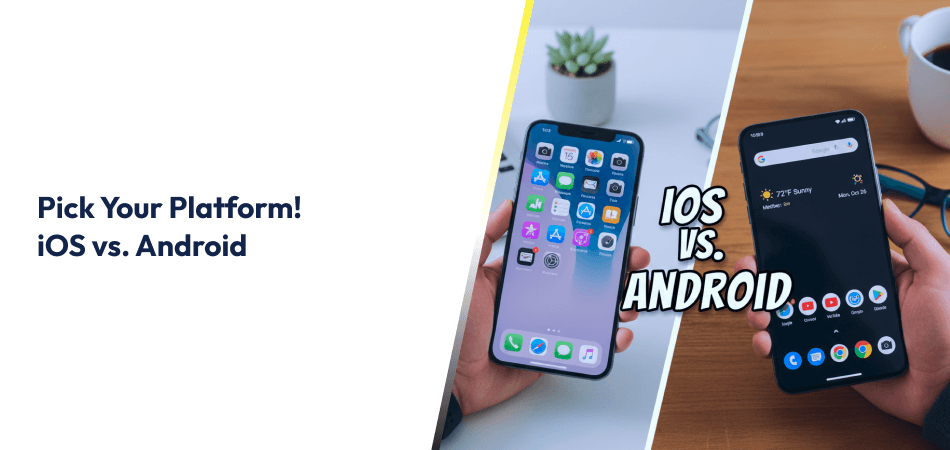
iOS, Android, or both? The platform you pick affects not just cost, but your reach. You can now launch on iOS only.
It’s slightly cheaper and faster to build, but you miss out on Android users. Android-only? Bigger audience, a bit more complexity. And if you want both, expect a bigger price tag. But the perk is – you reach everyone.
Pick wrong, and you may need to rebuild later. That’s extra money you didn’t plan for.
So, before you decide, make sure you know the actual cost to build a mobile app in the USA based on your platform. It’ll save you from overspending.
- iOS: Pick iOS if your users like spending money on apps. You’re likely to pay $30K–$150K (depending on how many features you want).
- Android: Want to reach everyone – locals, tourists, weekend boaters? Go for Android. Budget roughly $35K–$160K (slightly more work, but way more eyes).
- Cross‑platform: Can’t pick? Build one app for both iOS and Android. Usually $40K–$200K, depending on features. Saves time and money
Every app is unique, but the core idea is always the same: make it easy to discover, book, and pay for boats without friction.
Why This Matters in Florida, Maryland, South Carolina & Virginia
Location matters more than most people think. It’s not just where you launch, it’s who’s using your app and how.
Florida
Florida is full of tourists, beaches, islands, and sunset cruises. High demand means your app needs to handle lots of bookings, different payment methods, and maybe even seasonal pricing. Is it worth it? Totally, but to run your app smoothly, you’ll want a skilled mobile app development company in Florida, which can push the cost up a bit.
Maryland
People here care about details: boat size, fishing gear, and rental rules. Your app needs good filters, location-based searches, and real-time availability. Users will notice right away if something’s off.
South Carolina
Speedboats, jet skis, and family trips! Everyone wants to book fast, check availability instantly, and get on the water. The app has to be easy to use, with no glitches or delays. No one wants to wait around wondering, “Did it go through?” Every second counts.
Virginia – Coastlines & Rivers
Virginia’s got it all – Atlantic coast, Potomac and lakes.
Your app might need extras like guides, fuel options, or safety info, because people will always ask, “Is this safe?” These features are good, but they’ll also add to your boat booking app development cost.
Users will ask if it’s safe and your app needs answers.
How a Boat Rental App Comes to Life?
Let’s walk through the key phases of building a boat rental app, especially for a business in Florida, Maryland, South Carolina, or Virginia. We’ll keep it simple, so you can see why costs range from $30,000 to $300,000 and what you’re actually paying for.
1. Ideation & Research
Every app starts with an idea, but not just any idea. You need to know:
- Who’s using it? Tourists in Florida? Local fishermen in Maryland? Weekend warriors in South Carolina?
- What do they want? Quick bookings, detailed boat info, and maybe extras like guides or fuel packages.
- Who else is out there? Checking competitors helps you avoid reinventing the wheel.
This stage is basically your blueprint. It’s brainstorming, researching, and asking the tough questions before a single line of code is written. Skipping it? You might end up building features nobody really wants.
2. UX/UI Design & Wireframing
Once you know what your app should do, it’s time to make it look and feel right.
- Wireframes: Think of them as the skeleton of your app. Where does the “Book Now” button go? How do users browse boats without confusion?
- UI Design: This is the personality of your app—colors, fonts, photos of yachts, speedboats, and happy users.
- User Flow: Every tap should feel natural. You don’t want users asking, “Wait…where am I?”
A smooth, intuitive design can make or break your app. It’s the difference between a frustrated user and one who can’t wait to book their next adventure.
3. Development (iOS/Android/Hybrid)
This is where your designs come to life as a real, working app. Here’s a quick look at your options:
- iOS Development: Great for users who spend more on apps, especially tourists in Florida or Virginia.
- Android Development: Bigger audience, perfect for locals in South Carolina and Maryland.
- Hybrid/Cross-Platform: Build once, run everywhere. Cheaper and faster, but sometimes sacrifices a little polish.
At this stage, your app needs:
- Smooth booking flow
- Real-time availability and location-based searches
- Payment integration
- Extra features like guides, fuel packages, or reviews
Every feature adds hours, which is why costs climb quickly.
Testing & QA: Catching Bugs Before Users Do
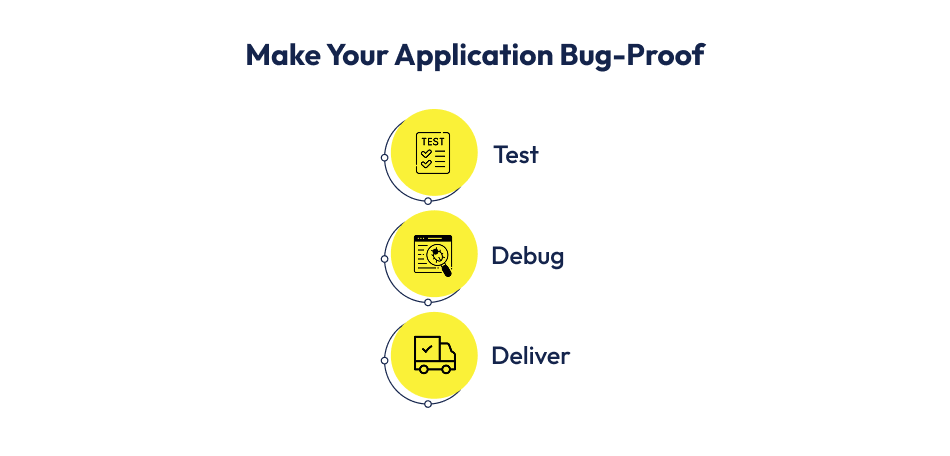
No one wants a buggy app. Booking a speedboat in South Carolina only to have the app crash is a total nightmare.
A buggy app isn’t just frustrating, it can make users leave bad reviews, or worse, stop trusting your app entirely. If the app crashes while a user is booking a speedboat in South Carolina, it could ruin their experience and hurt your reputation.
This is why thorough testing is essential before your app ever goes live.
So, now you have to make sure your app actually works for real people. Here’s what that usually looks like:
Smooth Functionality
First and foremost, the app must work without hiccups. Users should be able to browse boats, view photos, check availability, and make bookings effortlessly.
Every tap and swipe is tested to ensure it responds correctly, whether a user is searching for a yacht in Florida or a fishing boat in Maryland. Smooth functionality keeps users engaged and reduces frustration, which directly impacts how often they return to your app.
Secure Payments
A boat rental app handles money, so payment processing must be flawless. Testing ensures transactions go through safely, no double charges occur, and payment confirmations are clear.
This is important for building trust with both renters and boat owners. Users need confidence that their card info is safe and that their bookings are confirmed without errors.
Booking Accuracy
Double bookings or scheduling conflicts can ruin a user’s experience and reflect poorly on your app.
Testing double-checks the booking system so everything runs smoothly, boats show up as available the moment they are, reservations are recorded correctly, and no one can accidentally book the same boat twice.
Device Compatibility
Users will access your app on a variety of devices, from older Android phones to the latest iPhones.
Testing ensures the app performs reliably across all screen sizes, operating systems, and devices. This prevents glitches like buttons overlapping, pages failing to load, or images appearing incorrectly, basically issues that can drive users away.
Trial Runs
Testing isn’t just about finding bugs. It’s about walking in your users’ shoes and seeing what they see. Every tap, scroll, and booking has to feel effortless.
We check everything that could trip someone up. Availability updates in real time, bookings go through correctly, and payments are secure. The app also has to work on all devices – phones, tablets, old models & new models, so that no one gets stuck.
We also look at tricky situations. What if two people try to book the same boat at once? What if a payment fails? Testing makes sure these problems don’t happen in real life.
The point isn’t just fixing mistakes; it’s creating confidence. Users shouldn’t think twice about whether the app will work. They should focus on finding the right boat and enjoying their day.
Unexpected Expenses Every App Developer Faces
Even after the app is built, the costs don’t stop. Maintenance is ongoing. Apps need updates, bug fixes, and performance improvements. Servers and hosting can be expensive if you have real-time bookings. Marketing is crucial, your app won’t magically find users. Legal and insurance costs are also something first-time founders often forget, especially for rentals.
Skip these, and what looked like a $50,000 app can turn into a $100,000+ project without warning.
Quick Tips to Keep Costs in Check
Start small, test big. Try launching a minimal version first. You should focus on the features users actually need and avoid paying for the extras that may never get used. Save at least 20% of development costs yearly.
Invest in marketing because without users even the best apps fail.
If you don’t tell people about it, no one will know it exists. If you don’t target the right audience, your app might get downloads but no bookings.
And if you don’t keep promoting it, users will forget it’s there. Marketing isn’t optional, it’s how your app actually gets to the water.
Launch Without Limits
FAQs
1. What’s the boat rental app development cost in the USA?
It really depends on what you want. A simple app can start around $30,000, but if you want a polished version, it can go up to $300,000 or more. Things like real-time bookings, payment systems, and custom features push the cost higher.
2. Which platform is best for launching a boat rental app first – iOS or Android?
Think about your users. Tourists in Florida or Virginia usually prefer iOS, while locals in South Carolina or Maryland are mostly on Android. You can do both with a hybrid app, which saves time and money, though it might not feel as smooth as a fully native app.
3. What are the essential features for a boat rental app?
A good boat rental app should include:
- Real-time boat availability and booking
- Clear photos and descriptions of each boat
- Secure payment integration
- Ratings and reviews
- Location-based search and filters
4. How long does it take to develop a boat rental app?
A basic app can take 3–6 months to develop. Apps with advanced features like maps, guides, multiple payment gateways, and real-time updates may take 6–12 months or more.
5. How do I market my boat rental app effectively?
The answer is ‘marketing.’ Use social media campaigns, local ads, promotions, and partnerships with marinas to attract users. Even the best app won’t succeed if people don’t know it exists.
Related Posts

24 Feb 2026
How Much Does it Cost to Build an AI Powered Dating App in the USA
AI is changing online dating. Apps now use AI to study behavior, interests, and chats for better matches and safer experiences. Things like spotting f..
Matthew Connor

29 Jan 2026
How Custom AI Chatbot Development Services Can Boost Your Sales and Support
In today’s fast-paced digital world, custom AI chatbot development services can significantly enhance both sales and customer support for businesses o..
Matthew Connor
Join the newsletter and get all the updates.
Subscribe
 +1 (443) 454-3676
 sales@whitehalltechnologies.com
 501 East Las Olas Blvd., Suite 200 and 300, Fort
Lauderdale, Florida, FL 33301
501 East Las Olas Blvd., Suite 200 and 300, Fort
Lauderdale, Florida, FL 33301


