27 Jan 2026
Cost to Develop an App like Cal AI

Matthew Connor




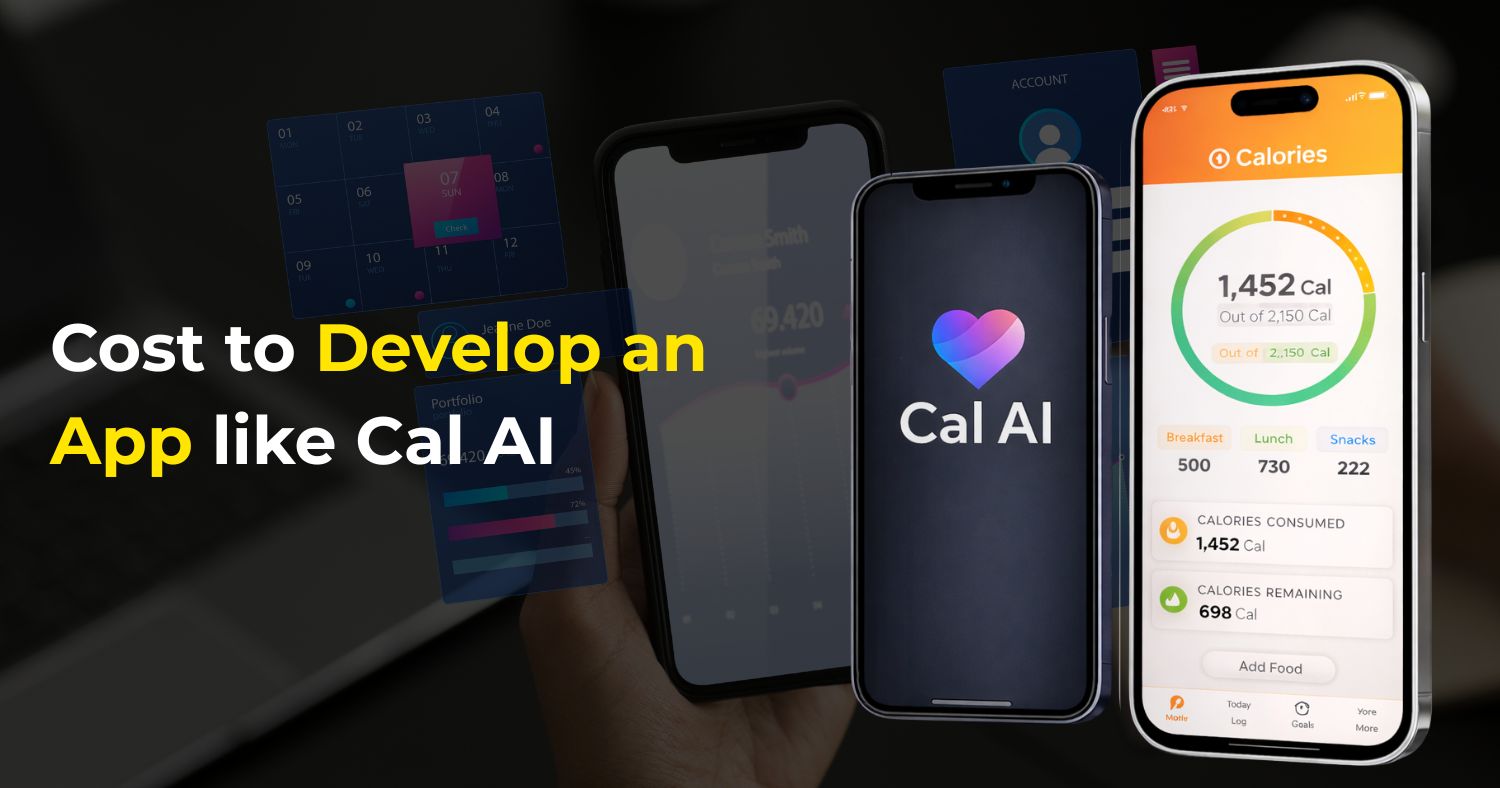
The cost to develop an application like Cal AI typically ranges from $30,000 to $80,000 or more, depending on features, platform, AI integration, and design complexity. Startups and businesses need to account for backend development, AI modules, UI/UX design, testing, and ongoing maintenance to get a functional, high-quality app.
Cal AI is an advanced AI-driven scheduling app that automates calendar management, reminders, and integrations with productivity tools. Developing a similar app requires a skilled development team, cloud infrastructure, secure APIs, and AI-powered algorithms. Other factors, such as whether it is built for iOS, Android, or both, can significantly affect the budget.
Understanding Cal AI and Its Core Features
Before discussing the cost to develop an application like Cal AI, it’s essential to understand what sets the app apart. Cal AI is not just another fitness app—it combines AI-driven personalized insights with an intuitive, user-friendly interface that motivates users to stay on track with their fitness goals.
Key Features of Cal AI:
- Personalized AI-Based Workout Plans: The app generates workouts tailored to a user’s fitness level, goals, and preferences using AI algorithms. This requires complex backend AI integration.
- Integration with Wearable Devices and Health Trackers: Cal AI syncs with smartwatches, fitness bands, and other health devices, collecting real-time data for more accurate recommendations.
- Progress Tracking and Analytics: Users can monitor improvements in strength, endurance, or weight through interactive dashboards and detailed analytics.
- Notifications and Reminders: Timely reminders keep users engaged, helping them follow workout schedules consistently.
- Diet and Nutrition Recommendations: AI suggests meal plans, calorie counts, and nutrition tips based on individual goals.
- Goal-Setting and Achievement Tracking: Users can set short-term and long-term fitness goals and track their progress to stay motivated.
Cost to Develop an Application like Cal AI
Building an app like Cal AI is a complex process that involves multiple development stages, each contributing to the overall cost. Understanding these stages helps businesses estimate budgets, allocate resources effectively, and make informed decisions about which features are essential for launch versus post-launch updates.
Stage 1: Research and Planning
The first stage sets the foundation for a successful app. It includes:
- Market analysis to identify competitors and trends
- Target audience research to understand user behavior and preferences
- Defining app objectives and features
- Creating a development roadmap and timeline
Investing in proper planning reduces risks, avoids feature creep, and ensures that the app meets market demand.
Cost: $1,000–$3,000
Stage 2: UI/UX Design
Design is crucial for user engagement and retention. Key activities include:
- Wireframing each screen to define the layout and user flow
- Prototyping interactive demos to test usability
- Visual design, including colors, typography, icons, and animations
- User experience optimization for intuitive navigation
A well-designed UI/UX ensures that users enjoy seamless interaction, which is vital for apps like Cal AI where daily engagement is expected.
Cost: $3,000–$8,000
Stage 3: Frontend Development
Frontend development brings the design to life:
- Creating iOS and Android app screens
- Implementing buttons, menus, forms, and interactive elements
- Ensuring smooth navigation and responsiveness
The frontend is where users interact with the app, so performance, responsiveness, and visual appeal are critical.
Cost: $10,000–$25,000
Stage 4: Backend Development
The backend supports all app functionality and data management:
- Server setup and database design
- API integration for wearable devices, third-party apps, and cloud services
- Analytics and user data tracking
- Scalability and security measures to protect sensitive user data
A robust backend ensures reliability, faster load times, and secure data handling, especially for health and fitness apps.
Cost: $15,000–$35,000
Stage 5: AI & Machine Learning Integration
AI is the heart of apps like Cal AI:
- Personalized workout and diet recommendations using AI algorithms
- Predictive analytics to suggest routines based on user progress
- Smart reminders and adaptive learning for better engagement
Integrating AI requires specialized developers and careful testing, which increases development costs but adds immense value for users.
Cost: $10,000–$30,000
Stage 6: Testing and QA
Testing ensures a smooth, bug-free user experience:
- Functional testing to ensure features work as intended
- Performance testing for speed and responsiveness
- Compatibility checks across devices, OS versions, and screen sizes
- User acceptance testing to gather feedback before launch
Thorough QA reduces post-launch issues, enhances app reliability, and improves user satisfaction.
Cost: $5,000–$12,000
Stage 7: Deployment
Deployment involves:
- Publishing on Apple App Store (Applications for iPhone) and Google Play Store, including ASO optimization.
- Ensuring compliance with platform guidelines
- Setting up app store optimization (ASO) for better discoverability
Deployment is critical for app visibility and initial downloads, making it a strategic step beyond just technical setup.
Cost: $500–$1,500
Stage 8: Maintenance & Updates
Ongoing maintenance is crucial to ensure the app continues to function efficiently and reliably.
- Server management and cloud hosting
- Regular bug fixes and performance updates
- Adding new features based on user feedback
- Monitoring analytics to improve user engagement
Continuous maintenance ensures long-term success, user retention, and app relevance in a competitive market.
Cost: $2,000–$5,000/month
Total Estimated Cost: $45,000–$120,000+, depending on features, AI complexity, and platform choice.
Also read our guide on: How Much Does It Cost to Develop a Fitness App Like Strava
How Features Affect Cal AI Pricing
| Feature | Complexity | Estimated Cost |
| AI Workout Suggestions | High | $10,000–$30,000 |
| Wearable Integration | Medium | $5,000–$15,000 |
| Analytics & Progress Tracking | Medium | $4,000–$10,000 |
| Social Features | Low | $2,000–$5,000 |
| Payment Integration | Low | $1,000–$3,000 |
| Notifications & Reminders | Low | $500–$1,500 |
Adding more premium features like live coaching or AI diet planning increases Cal AI pricing.
Factors Affecting the Cost to Develop an App Like Cal AI
Several factors influence the overall cost of creating an AI-powered fitness app. These include:
App Platform
- iOS (Applications for iPhone): Development for iPhone requires expertise in Swift or Objective-C.
- Android: Development in Java or Kotlin.
- Cross-platform: Using React Native or Flutter can reduce costs by supporting both platforms with a single codebase.
Platform choice impacts Cal AI pricing.
Also Read: Step-by-Step Guide to Developing Fitness Applications for iPhone
Features and Complexity
- AI Integration: Machine learning models for personalized workout recommendations.
- Wearable Integration: Syncing with Apple Watch, Fitbit, or Google Fit.
- Analytics Dashboard: Tracking progress and providing insights.
- Social Features: Sharing progress, leaderboards, or challenges.
More features mean higher development costs.
Design and UX/UI
- Custom, intuitive design enhances user engagement.
- Animations, charts, and interactive elements increase cost.
Backend Development
- Cloud storage for user data
- APIs for wearable integration
- Real-time analytics and notifications
A robust backend ensures smooth functionality but increases Cal AI cost.
Third-party Integrations
- Payment gateways for premium subscriptions
- Nutrition and workout databases
- AI services like Google ML Kit or TensorFlow
Third-party integrations can add to development time and cost.
Maintenance and Updates
- Bug fixes, OS updates, and feature upgrades
- Scaling server infrastructure as users grow
Ongoing maintenance is part of cal ai pricing considerations.
Technology Stack for an App Like Cal AI
Frontend:
- iOS: Swift / Objective-C
- Android: Kotlin / Java
- Cross-platform: Flutter / React Native
Backend:
- Server-Side Technologies: Node.js / Python / Ruby on Rails
- Cloud: AWS / Google Cloud / Azure
- Database: MySQL / MongoDB / Firebase
AI & Analytics:
- Machine Learning: TensorFlow, PyTorch, Core ML
- Analytics: Mixpanel, Google Analytics
Tips for Budgeting Your App Development
Proper budgeting is key to building a high-quality fitness app like Cal AI without overspending. Consider the following strategies:
- Define Clear Goals and Core Features: Identify the essential functionalities your app must have for launch. Prioritize features like AI-based recommendations, workout tracking, and reminders to ensure the MVP meets user needs while keeping costs manageable.
- Allocate Budget for AI and Backend Integration: These are the most costly components in fitness mobile app development. Plan your budget carefully to cover these critical areas without compromising quality.
- Keep Design Simple Initially: Start with a clean, user-friendly interface. Advanced animations, custom charts, and premium UI elements can be added later as the app scales.
- Factor in Ongoing Maintenance: Budget for server hosting, bug fixes, app updates, and minor feature upgrades to maintain performance and user satisfaction over time.
- Test with Real Users for Early Feedback: Conduct beta testing to gather user insights. Early testing can prevent costly redesigns and help prioritize features that deliver the most value.
Future Enhancements for Apps Like Cal AI
Once your MVP is live, you can gradually enhance the app to improve engagement, retention, and user satisfaction. Some advanced features to consider include:
- Integrating Voice Commands for Workouts: Allow users to start, pause, or modify workouts hands-free for a seamless experience.
- AI-Based Diet and Nutrition Recommendations: Offer personalized meal plans based on user goals, preferences, and progress, adding value to the AI ecosystem.
- Gamification for Better User Engagement: Include rewards, badges, leaderboards, and challenges to motivate users and increase daily app usage.
- Augmented Reality (AR) Workout Sessions: Enhance engagement with interactive AR-based exercises, visual guidance, and real-world simulations.
- Personalized Notifications Based on User Behavior: Use AI to send timely reminders, motivational messages, and adaptive workout suggestions, improving retention and adherence to fitness goals.
- Social Features and Community Integration: Enable users to connect with friends, share progress, or participate in group challenges to create a sense of community.
Pro Tip: Gradually rolling out premium features helps manage costs while continuously improving user experience and increasing app monetization potential.
Conclusion
Developing an app like Cal AI requires careful planning, skilled development, and a clear understanding of the features and technologies involved. The cost to develop an application like Cal AI typically ranges from $45,000 to $120,000+, depending on factors such as platform choice, AI complexity, wearable integration, design, and backend infrastructure.
Breaking development into stages—from research and planning, UI/UX design, frontend and backend development, AI integration, testing, deployment, to ongoing maintenance—helps businesses allocate resources effectively and avoid unexpected expenses.
Frequently Asked Questions
Related Posts

23 Sep 2025
How To Build Social Media App with Next Gen AI Power
The social media space is a crowded attention marketplace, with many platforms targeting user engagement. Building a new social app in this ecosystem ..
Matthew Connor
4 Mar 2025
Ultimate Guide to Building an AI App Step-by-Step
Artificial Intelligence (AI) is revolutionizing the world by making technology more efficient and companies more productive. From robotics that can pe..
Matthew Connor
Join the newsletter and get all the updates.
Subscribe
 +1 (443) 454-3676
 sales@whitehalltechnologies.com
 501 East Las Olas Blvd., Suite 200 and 300, Fort
Lauderdale, Florida, FL 33301
501 East Las Olas Blvd., Suite 200 and 300, Fort
Lauderdale, Florida, FL 33301


