15 Jan 2026
Step-by-Step Guide to Developing Fitness Applications for iPhone

Matthew Connor




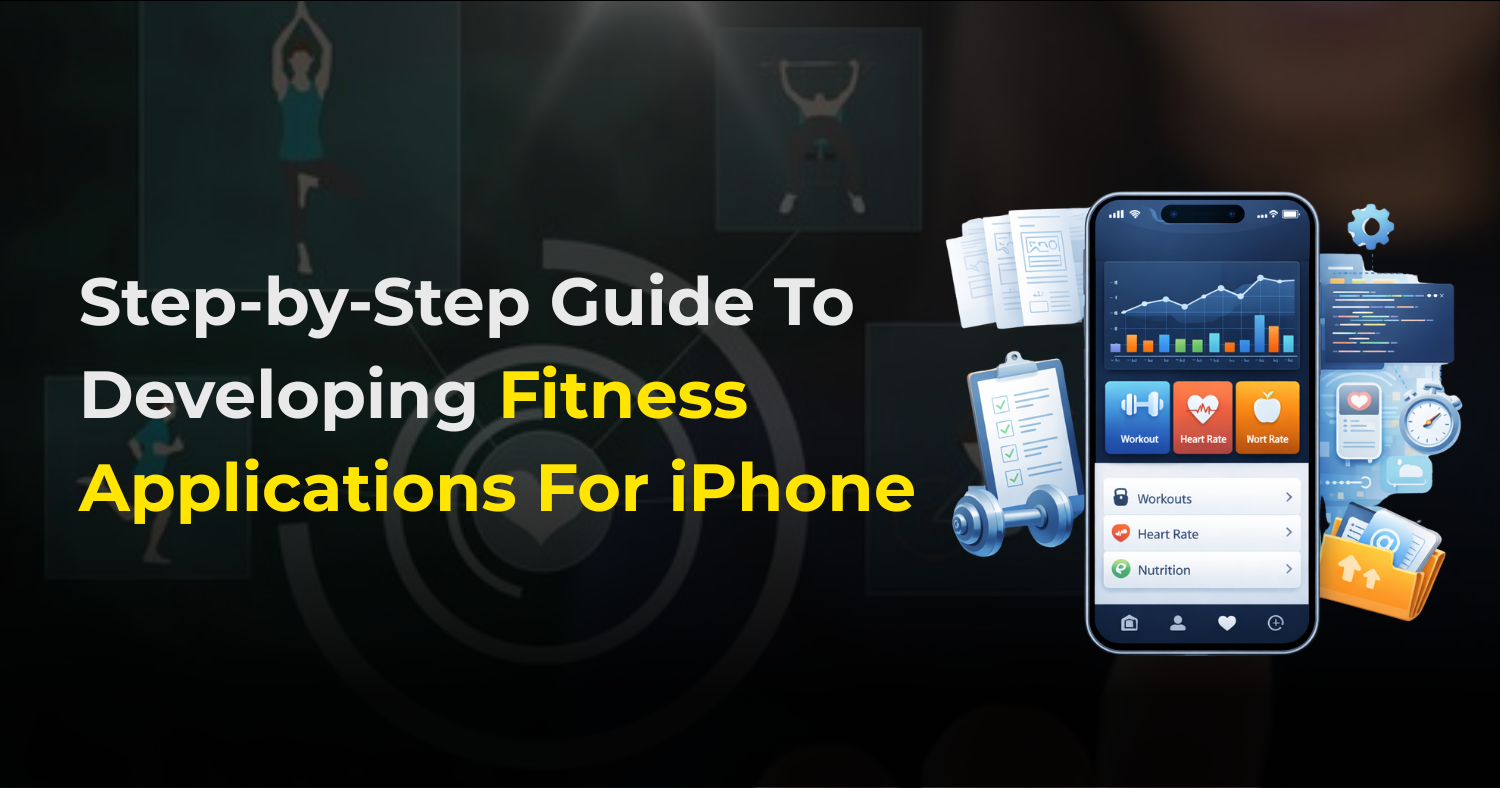
The fitness industry is booming, and mobile applications are transforming how people stay active, track health, and achieve their fitness goals. iPhone users, in particular, represent a large audience eager for intuitive, interactive, and reliable fitness applications for iPhone.
Developing a fitness app requires careful planning, research, and execution. Whether you are a startup or an established business, following a structured approach ensures your app meets user expectations, stands out in the market, and drives engagement.
Partnering with the best fitness mobile app development experts can help bring your vision to life, integrating features, design, and technology that users love.
Why Fitness Apps Are Popular
Fitness applications for iPhone are no longer just tools for tracking workouts – they are complete ecosystems that guide users through personalized fitness journeys.
Key reasons for their popularity:
- Personalized Fitness Plans: Users receive customized workout routines based on goals, body type, and fitness level.
- Real-Time Tracking: Apps track calories, steps, heart rate, and sleep patterns.
- Gamification and Motivation: Challenges, badges, and rewards make exercise enjoyable.
- Community Features: Social sharing, leaderboards, and group challenges boost engagement.
- Integration with Wearables: Apps sync with Apple Watch, heart rate monitors, and smart scales.
Businesses investing in a high-quality fitness app can attract loyal users, increase engagement, and monetize subscriptions effectively.
Step-by-Step Guide to Developing Fitness Applications for iPhone
Step 1: Define Your Fitness App Idea
Before development begins, clearly define your app’s purpose, goals, and target audience. A well-documented idea minimizes mistakes and ensures the app delivers value.
Key questions to ask:
- Is the app for workouts, diet tracking, meditation, or a combination?
- Who is the target audience—beginners, advanced users, athletes, or all age groups?
- Will the app include live classes, video tutorials, or AI-based training?
- Are you planning a subscription model, freemium, or ad-supported app?
A clear vision sets the foundation for successful fitness app development services.
Step 2: Conduct Market Research
Market research helps identify competitor offerings, user expectations, and gaps in the market.
Research steps include:
- Analyzing Competitors: Examine popular fitness apps like Strava, Nike Training Club, or Fitbit. Identify their strengths and weaknesses.
- Reading User Reviews: Understand pain points and desired features.
- Identifying Gaps: Look for features users want that existing apps lack.
- Trend Analysis: Keep up with emerging technologies like AR-based workouts, AI coaching, and wearable integration.
Effective market research ensures your iPhone fitness app stands out and meets user demand.
Step 3: Choose the Right Technology Stack
Choosing the correct technology stack ensures smooth performance, scalability, and faster development.
iPhone Fitness App Technology Stack:
- Programming Languages: Swift and Objective-C for iOS development.
- Backend: Node.js, Python, or Ruby on Rails for server-side operations.
- Database: MySQL, MongoDB, or Firebase to store user data and workout history.
- APIs & Integrations: Enables seamless data exchange with fitness and health platforms, activity tracking modules, GPS-based services, and wearable devices.
- Analytics: Tools like Google Analytics, Firebase, or Mixpanel for user behavior tracking.
A professional fitness mobile app development team can recommend the best tech stack based on app requirements.
Step 4: Focus on User-Centric Design
UI/UX design is critical for retention and engagement. A fitness app should be visually appealing, intuitive, and interactive.
Design Tips for Fitness Apps:
- Minimalistic layout with easy navigation
- Highlight workout plans, progress tracking, and challenges
- Dark mode for comfortable viewing
- Smooth animations and transitions for an engaging experience
- Easy onboarding with social logins or email registration
A clean and intuitive design encourages users to spend more time on your app.
Step 5: Define Core Features
A successful fitness app should include features that motivate users and provide measurable value.
Essential Features:
- User Registration/Login: Social login options for easy access
- Workout Plans: Predefined and AI-generated routines
- Activity Tracking: Steps, calories, heart rate, and distance
- Goal Setting: Personalized fitness goals and progress tracking
- Notifications & Reminders: Timely alerts for daily workouts, along with encouraging messages to keep users motivated.
- Community & Social Sharing: Forums, challenges, and leaderboards
- Integration with Wearables: Apple Watch, Fitbit, or smart devices
Including these core features ensures users remain engaged and achieve their fitness goals.
Step 6: Add Advanced Features
To compete with top fitness apps, consider adding advanced features:
- AI-Based Training Recommendations: Suggest exercises based on progress and preferences
- AR Workouts: Use augmented reality for interactive fitness experiences
- Video Tutorials: On-demand training videos and live sessions
- Nutrition & Diet Plans: Customized meal planning and calorie management
- Gamification: Badges, points, and leaderboards to increase motivation
- Progress Analytics: Charts and insights showing improvement over time
Advanced features make your app more attractive and enhance user retention.
Step 7: Ensure App Security and Compliance
Fitness apps often store sensitive health and personal data. Strong security measures are critical to protect sensitive user information and maintain user trust.
Security Measures:
- Data encryption for stored and transmitted information
- Secure login with two-factor authentication
- HIPAA compliance for health-related data
- Regular security audits and vulnerability testing
Secure apps improve user confidence and prevent data breaches.
Step 8: Testing and Quality Assurance
Testing ensures that your app works reliably across all iPhone devices and iOS versions.
Types of Testing:
- Functionality Testing: Verify all features work as intended
- Performance Testing: Ensure fast loading and smooth animations
- Compatibility Testing: Check app performance on different iPhone models
- Security Testing: Protect sensitive user data
- User Acceptance Testing: Gather feedback from beta testers for improvements
Proper testing reduces bugs, improves ratings, and ensures a seamless experience.
Step 9: Launch and Marketing
A strategic launch ensures your fitness app reaches your target audience effectively.
Marketing Strategies:
- App Store Optimization (ASO): Optimize keywords, descriptions, and visuals for visibility in the App Store
- Social Media Campaigns: Promote on Instagram, Facebook, and YouTube
- Influencer Collaborations: Partner with fitness coaches or athletes
- Email Campaigns: Notify users about new features and updates
- Referral Programs: Encourage sharing to increase downloads
Effective marketing drives downloads, engagement, and revenue.
Step 10: Post-Launch Support and Updates
Continuous updates and support ensure long-term user satisfaction and app growth.
Post-Launch Activities:
- Monitor user feedback and ratings
- Fix bugs and optimize performance regularly
- Introduce new features and seasonal challenges
- Keep content fresh with new workouts, tips, and diet plans
Ongoing maintenance keeps users engaged and helps your app stay competitive.
Benefits of Developing a Fitness App for iPhone
- Increased User Engagement: Interactive features such as personalized workout plans, gamification, challenges, and community forums keep users motivated and active. Push notifications, daily reminders, and progress tracking encourage consistent usage, turning casual users into loyal app followers. Engaged users are more likely to share their achievements, participate in challenges, and remain committed to their fitness goals.
- Revenue Generation: Fitness apps offer multiple monetization opportunities. Subscription models provide steady income through premium plans, while in-app purchases allow users to access advanced workouts, nutrition guides, or one-on-one coaching. Additionally, advertisements and sponsored content generate extra revenue without disrupting the user experience. Monetization strategies can be tailored to your audience for maximum profitability.
- Brand Awareness: A well-designed fitness application for iPhone strengthens your brand identity and visibility. By offering unique features, valuable content, and a seamless user experience, your app can attract a global audience and position your brand as an authority in the fitness industry. Integrating social sharing features allows users to showcase their achievements, increasing organic reach and promoting your brand further.
- Data Insights: Analytics tools provide valuable insights into user behavior, preferences, and engagement patterns. Tracking metrics such as workout completion rates, popular exercises, and feature usage helps businesses refine app functionality, improve user experience, and create personalized recommendations. Data-driven decisions enhance the app’s effectiveness and help tailor marketing strategies.
- Scalable Solutions: Fitness apps can grow alongside your business. As your user base increases, a scalable architecture ensures that the app performs seamlessly without requiring major redesigns. Multi-location support, cloud storage, and integration with wearables make it easier to expand features and adapt to evolving user needs. Scalable solutions are essential for startups and enterprises looking to reach a larger audience.
By investing in a professional fitness app development company in USA, businesses can build high-quality, feature-rich iPhone fitness apps.
Conclusion
Developing a fitness application for iPhone is a strategic process that combines careful planning, innovative design, and advanced technology. From defining your app idea and conducting market research to selecting the right tech stack and integrating core and advanced features, each step contributes to creating a user-friendly, engaging, and effective fitness app.
By focusing on personalized workouts, real-time tracking, gamification, wearable integration, and AI-driven insights, your app can motivate users, improve their fitness journeys, and foster long-term engagement.
Frequently Asked Questions
Related Posts

24 Feb 2026
How Much Does it Cost to Build an AI Powered Dating App in the USA
AI is changing online dating. Apps now use AI to study behavior, interests, and chats for better matches and safer experiences. Things like spotting f..
Matthew Connor

29 Jan 2026
How Custom AI Chatbot Development Services Can Boost Your Sales and Support
In today’s fast-paced digital world, custom AI chatbot development services can significantly enhance both sales and customer support for businesses o..
Matthew Connor
Join the newsletter and get all the updates.
Subscribe
 +1 (443) 454-3676
 sales@whitehalltechnologies.com
 501 East Las Olas Blvd., Suite 200 and 300, Fort
Lauderdale, Florida, FL 33301
501 East Las Olas Blvd., Suite 200 and 300, Fort
Lauderdale, Florida, FL 33301


