28 Jan 2026
Updated on February 2nd, 2026
The Ultimate Guide to iOS App Development Services for Business

Matthew Connor




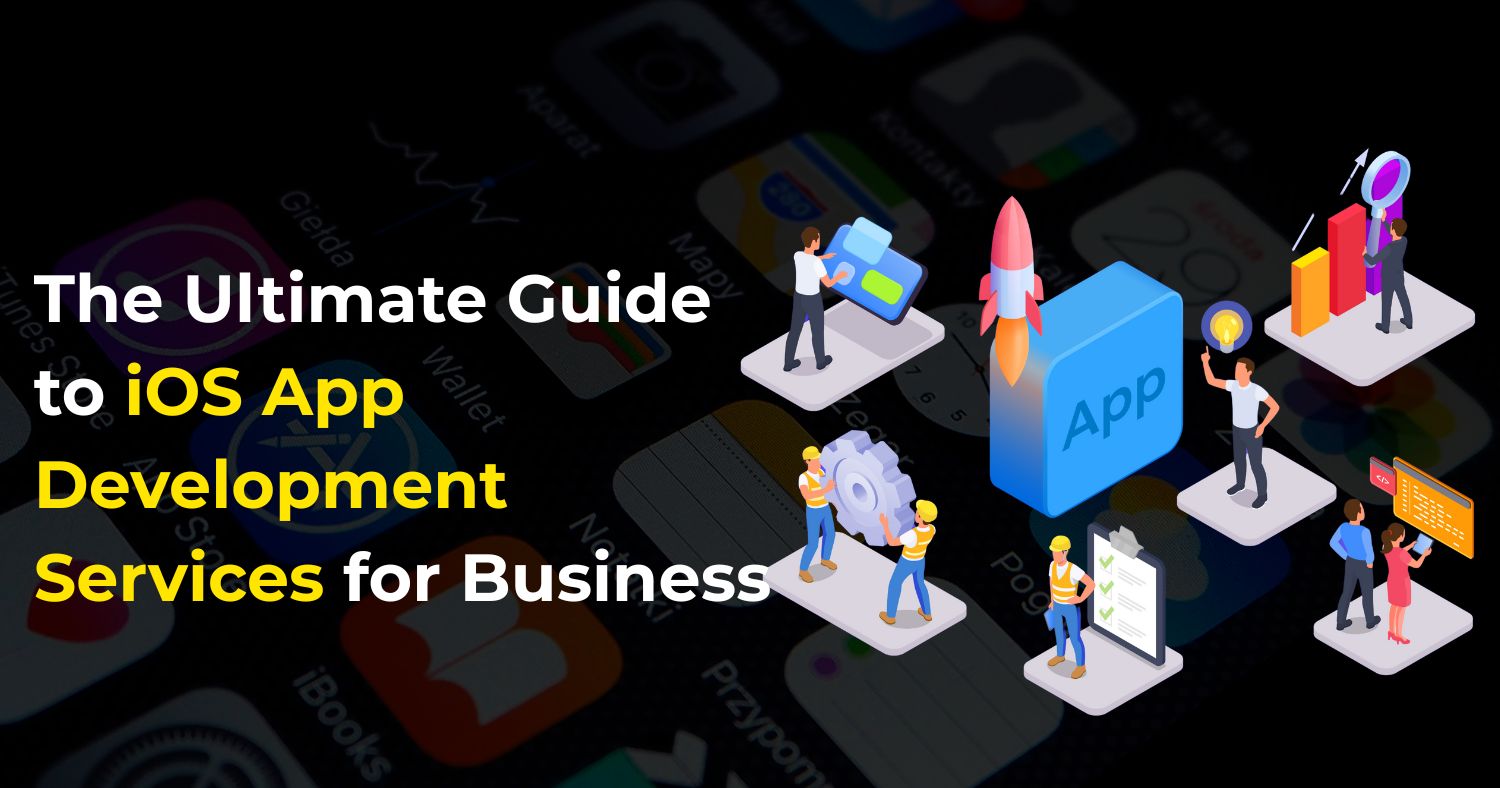
In the modern digital era, a mobile app has become a crucial tool for every business, not just an option. Among all platforms, iOS apps are particularly significant due to their loyal user base, higher engagement, and premium market reach. Whether you are a startup, an established company, or a large enterprise, leveraging iOS application development services can transform your business operations, enhance customer experiences, and boost your revenue.
Finding the right iOS mobile app development company is crucial to building an app that is user-friendly, secure, and scalable. This guide will walk you through everything you need to know about iOS app development, from planning and design to deployment and ongoing maintenance. By the end, you will understand how custom iOS apps can give your business a competitive edge and why investing in high-quality development is worth it.
What is iOS App Development?
iOS app development refers to creating applications specifically for Apple devices, such as iPhones, iPads, and Apple Watches. Developers use programming languages like Swift and Objective-C, along with Apple’s official development environment, Xcode, to build apps that work seamlessly on iOS devices.
iOS apps are known for their smooth performance, high security, and consistent user experience. Businesses that invest in professional iOS application development services can ensure their apps meet Apple’s strict guidelines, resulting in apps that are fast, reliable, and scalable.
iOS App Development Services for Business
Professional iOS app development services for business cover the entire app lifecycle — from ideation and design to development, launch, and maintenance. These services are designed to help businesses create apps that are secure, scalable, and user-friendly. Here’s a detailed breakdown:
- Custom iOS App Development: Tailored app solutions based on your business goals and target audience. Custom apps help improve efficiency, enhance user engagement, and provide unique functionalities that set your business apart from competitors.
- UI/UX Design Services: Creating intuitive, visually appealing designs is essential for retaining users. Professional design services focus on smooth navigation, consistent branding, and engaging user experiences to boost adoption and satisfaction.
- Native iOS App Development: Develop apps specifically for Apple devices using Swift or Objective-C for high performance, reliability, and compatibility with iPhones, iPads, and Apple Watches.
- Cross-Platform App Development: Build apps that work on multiple platforms (iOS and Android) using frameworks like Flutter or React Native. This reduces development costs while maintaining quality and user experience.
- Backend Development and API Integration: Develop secure and scalable backend systems to manage user data, app functionality, and third-party integrations such as payment gateways, social media logins, or CRM tools.
- App Testing and Quality Assurance: Ensure your app is bug-free, optimized for performance, and compatible across all iOS devices. QA includes functional testing, usability testing, performance testing, and security checks.
- App Deployment: Submit your app to the App Store following Apple’s strict guidelines, ensuring approval and proper launch. This service also includes optimizing the app listing for maximum visibility and downloads.
- App Maintenance and Support: Provide continuous updates, bug fixes, and feature enhancements to ensure the app remains compatible with new iOS versions and continues to meet user expectations.
Investing in professional iOS app development services ensures that your business can leverage technology to drive revenue, improve customer engagement, and stay ahead of competitors.
Why Businesses Should Invest in iOS Apps
Investing in an iOS app offers multiple benefits:
- Loyal User Base: Apple users are often willing to pay for high-quality apps.
- Higher Engagement: iOS apps tend to have higher retention rates than Android apps.
- Revenue Potential: iOS apps generate more revenue due to in-app purchases and paid downloads.
- Brand Authority: Having a well-designed iOS app builds credibility for your business.
Partnering with a top-rated iOS app development company can help you maximize these advantages and reach your target audience effectively.
Types of iOS Applications for Business
- Native Apps: Developed specifically for iOS using Swift or Objective-C, native apps offer the best performance, smooth animations, and full access to device hardware like the camera, GPS, and sensors. Examples include Instagram and Apple Music.
- Cross-Platform Apps: Built using frameworks like Flutter or React Native, these apps run on both iOS and Android, reducing development time and cost. They are ideal for startups targeting multiple platforms. Examples include Airbnb and Uber.
- Enterprise Apps: Tailored for internal business processes, enterprise apps improve employee productivity, streamline workflows, and facilitate communication. Examples include SAP Fiori and Salesforce mobile apps.
- Utility Apps: Designed to perform a specific function or solve a particular problem, such as calculators, currency converters, or file managers. They provide targeted solutions for everyday tasks.
- E-commerce Apps: Enable businesses to sell products and services directly through iOS devices. Features often include secure payment gateways, product catalogs, and order tracking. Examples include Amazon and Shopify mobile apps.
- Educational & Training Apps: Designed to facilitate learning, enhance skills, or support employee training and development programs. Examples include Duolingo and Coursera.
- Healthcare & Fitness Apps: Track health metrics, schedule appointments, or offer telemedicine services. Examples include MyFitnessPal and Apple Health.
- Entertainment & Media Apps: Streaming music, videos, podcasts, or games to engage users and build brand loyalty. Examples include Spotify, Netflix, and Angry Birds.
Choosing the right type of app depends on your business goals, budget, and the target audience’s behavior and preferences.
Key Features of Top-Rated iOS Apps
To create a successful iOS app that attracts and retains users, developers focus on:
- User-Friendly Interface: Clean, intuitive, and visually appealing designs enhance user experience and make navigation seamless. Consistency in UI elements across the app is critical.
- High Performance: Fast-loading apps with smooth animations reduce bounce rates and improve user engagement. Optimizing code and reducing app size are key factors.
- Security: iOS apps are known for strong security standards. Implementing features like encryption, secure login, and data protection ensures sensitive user data is safe.
- Offline Functionality: Some apps allow limited access or core functionalities even without an internet connection, which enhances usability in low-network areas.
- Push Notifications: Timely notifications increase user engagement, drive app retention, and promote offers, updates, or important alerts.
- Integration with Device Features: Leveraging features like GPS, camera, ARKit, Siri, and Apple Pay can enrich user experience and create more interactive apps.
Choosing the Right iOS Mobile App Development Company
Selecting the right iOS mobile app development company is critical. Consider these factors:
- Experience: Look for companies with a proven track record in iOS development.
- Portfolio: Review past apps to evaluate quality and design capabilities.
- Technical Expertise: Ensure the team is skilled in Swift, Objective-C, and modern frameworks.
- Client Reviews: Feedback from previous clients can reveal reliability and professionalism.
- Post-Launch Support: A good company offers ongoing maintenance and updates.
Benefits of Custom iOS App Development
Custom apps are built to meet specific business requirements. The benefits of custom iOS app development include:
- Tailored user experience
- Enhanced security and compliance
- Scalability as your business grows
- Integration with other business systems
- Unique branding and identity
Unlike generic apps, custom apps provide a competitive edge and ensure your business stands out in the market.
Cost of iOS App Development
The cost of developing an iOS app depends on factors such as:
- App complexity and features
- Design requirements
- Backend integration
- Developer experience and location
On average, a simple app may cost between $5,000–$15,000, while complex apps with advanced features can exceed $50,000. Investing in a professional iOS application development service ensures quality and reduces long-term maintenance costs.
Tools and Technologies for iOS App Development
Developing a successful iOS app requires the right combination of tools, programming languages, and frameworks. Using modern technologies ensures apps are high-performing, secure, and visually appealing. Here’s a detailed look at the most important tools and technologies used in iOS app development:
Xcode
Xcode is Apple’s official Integrated Development Environment (IDE) for iOS, macOS, watchOS, and tvOS apps. It provides a complete suite of tools for writing, debugging, and testing code. Key benefits include:
- Built-in Interface Builder for designing UI visually.
- Real-time simulator for testing apps on different iOS devices.
- Supports Swift and Objective-C programming languages.
- Simplifies app deployment to the App Store.
Swift
Swift is Apple’s modern programming language for iOS app development. It is fast, safe, and easy to learn, making it ideal for creating high-quality, scalable apps. Advantages of Swift include:
- Faster performance compared to Objective-C.
- Strong type safety to reduce runtime errors.
- Cleaner, easy-to-read code, reducing development time.
- Continuous updates from Apple ensure compatibility with the latest iOS versions.
Objective-C
Objective-C is the legacy language used in many existing iOS apps. While most new apps are built in Swift, Objective-C is still relevant for:
- Maintaining older apps or integrating with existing codebases.
- Ensuring compatibility with libraries or frameworks written in Objective-C.
- Providing a robust foundation for apps that require complex functionality.
Firebase
Firebase is a backend-as-a-service (BaaS) platform that provides developers with tools for backend infrastructure and analytics. Key features include:
- Real-time database for storing and syncing user data.
- Authentication for secure login via email, social media, or phone.
- Analytics to track user behavior, app performance, and engagement.
- Push notifications to engage users effectively.
- Reduces the need to build a backend from scratch, saving time and cost.
Sketch / Figma
Design is critical to user experience. Sketch and Figma are popular UI/UX design tools used for:
- Creating wireframes and mockups for app interfaces.
- Designing interactive prototypes for testing user flows.
- Collaborating between designers and developers for a seamless handoff.
- Maintaining consistent branding and style across the app.
TestFlight
TestFlight is Apple’s official beta testing platform for iOS apps. It allows developers to:
- Distribute apps to testers before launch.
- Collect feedback on bugs, performance, and usability.
- Test the app on different iOS devices and versions.
- Ensure a smoother App Store approval process with fewer errors.
Conclusion
Investing in iOS application development services is a strategic move for any business looking to expand its digital presence. By partnering with a trusted iOS mobile app development company, you can create top-rated iOS apps that delight users, strengthen your brand, and drive measurable business growth.
With the right planning, design, and development strategy, your iOS app can become a powerful tool to engage customers, streamline operations, and stay ahead of competitors in the digital era.
Frequently Asked Questions
Related Posts
23 Sep 2025
How To Build Social Media App with Next Gen AI Power
The social media space is a crowded attention marketplace, with many platforms targeting user engagement. Building a new social app in this ecosystem ..
Matthew Connor
4 Mar 2025
Ultimate Guide to Building an AI App Step-by-Step
Artificial Intelligence (AI) is revolutionizing the world by making technology more efficient and companies more productive. From robotics that can pe..
Matthew Connor
Join the newsletter and get all the updates.
Subscribe
 +1 (443) 454-3676
 sales@whitehalltechnologies.com
 501 East Las Olas Blvd., Suite 200 and 300, Fort
Lauderdale, Florida, FL 33301
501 East Las Olas Blvd., Suite 200 and 300, Fort
Lauderdale, Florida, FL 33301


