22 Jan 2026
Why Digital Transformation in Finance Apps Is a Game-Changer for Businesses?

Matthew Connor




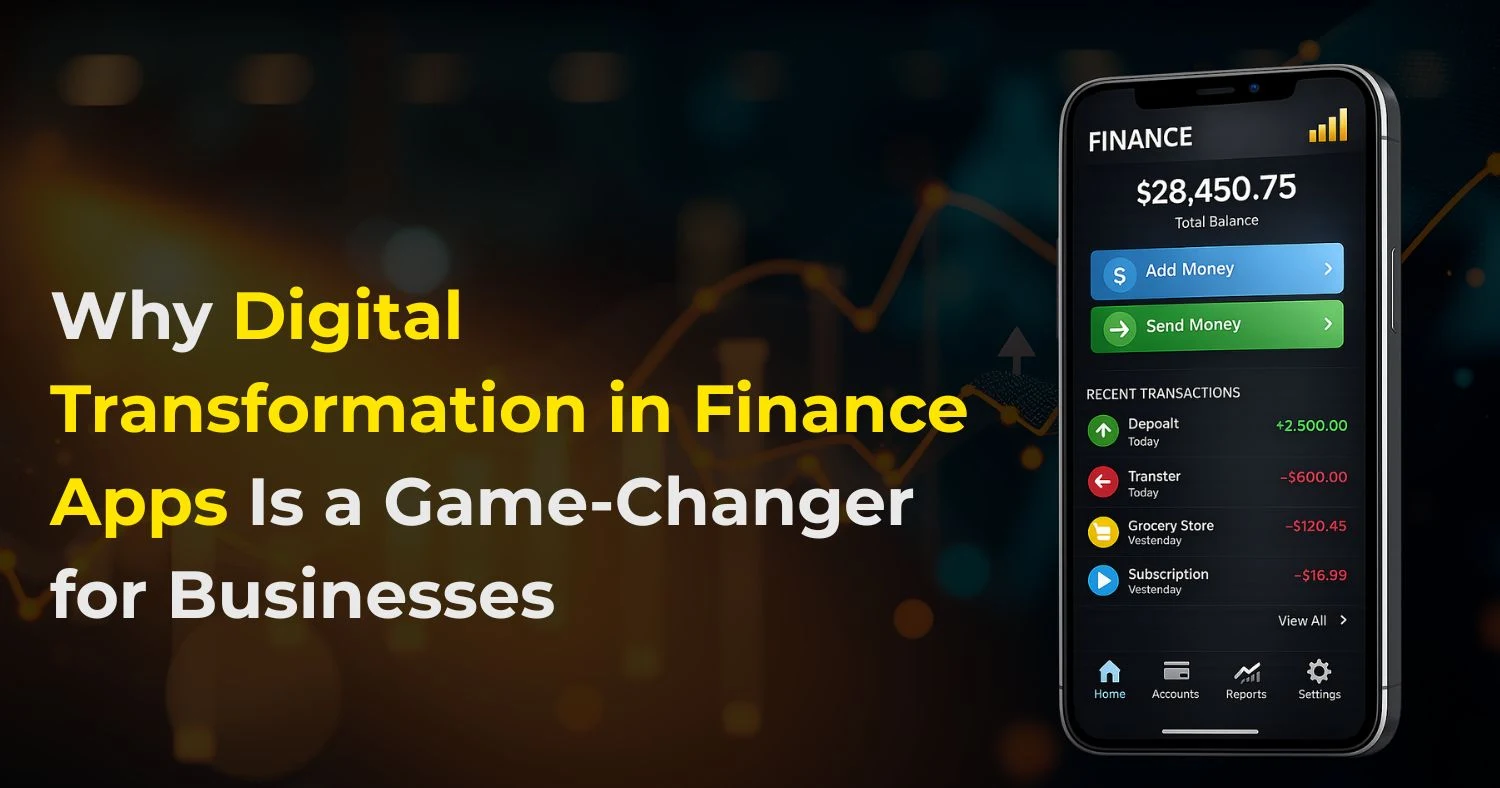
In the modern business landscape, the finance sector is undergoing rapid change. Traditional banking and financial management systems are being replaced by digital-first solutions that offer speed, security, and convenience. Businesses that adopt digital transformation in finance apps gain a competitive edge, streamline operations, and improve customer experiences.
This comprehensive guide explores why digital transformation in finance apps is essential, the benefits it provides, implementation strategies, emerging trends, and real-world examples of success. By the end, you’ll understand why businesses that embrace this shift are leading in their markets.
Understanding Digital Transformation in Finance Apps
What is Digital Transformation in Finance?
Digital transformation in finance refers to the adoption of digital technologies to improve financial operations, customer experiences, and decision-making processes. It involves integrating software solutions, mobile apps, cloud technologies, AI in fintech, and data analytics into financial workflows.
In essence, it’s about moving from manual, paper-based processes to automated, tech-driven systems that deliver faster results and real-time insights.
Key Components of Digital Transformation in Finance Apps
- Mobile Banking and Finance Apps: Allow users to manage accounts, track spending, and transfer funds on-the-go.
- Cloud Integration: Provides scalable, secure storage and access to financial data.
- Artificial Intelligence (AI) and Machine Learning (ML): Enable predictive analytics, fraud detection, and automated customer support.
- Data Analytics and Business Intelligence: Helps businesses make informed financial decisions.
- Blockchain and Secure Payment Systems: Enhance transparency, security, and efficiency in transactions.
Why Businesses Need Digital Transformation in Finance Apps
Digital transformation is no longer optional for finance-driven businesses—it’s essential. Here’s why:
Enhanced Customer Experience
Modern consumers expect convenience, speed, and reliability. Digital finance apps allow businesses to provide:
- Instant account management
- Seamless online payments
- Personalized financial insights
This level of convenience increases customer satisfaction and loyalty.
Improved Operational Efficiency
Automation and digital workflows reduce manual tasks, human errors, and processing time. Finance teams can focus on strategic activities instead of repetitive tasks like reconciliations or report generation.
Real-Time Data and Insights
Digital finance apps provide instant access to financial data, enabling businesses to:
- Monitor cash flow
- Analyze spending patterns
- Forecast budgets
Real-time insights support better financial decision-making and planning.
Enhanced Security and Compliance
Digital finance apps integrate advanced security features like two-factor authentication, encryption, and AI-driven fraud detection. Collaborating with the Best fintech app development company ensures these features are implemented effectively.
Competitive Advantage
Companies that adopt digital finance solutions can outperform competitors by providing faster, more secure, and user-friendly services. Those who delay digital transformation risk losing market share to tech-savvy competitors.
Key Features of Modern Finance Apps
Finance apps today are more than digital ledgers—they are full-featured platforms that drive efficiency and innovation. Key features include:
- Mobile Payments and Transfers: Seamless money transfers, bill payments, and online transactions.
- Expense Tracking and Budgeting: Helps businesses and individuals manage spending effectively.
- AI-Powered Analytics: Offers predictive insights, trend analysis, and decision support.
- Digital Wallets and Card Management: Supports virtual cards, online wallets, and contactless payments.
- Automated Reporting and Tax Management: Simplifies financial reporting and compliance.
- Fraud Detection and Risk Management: Monitors transactions in real-time to prevent fraud.
- Blockchain Integration: Ensures transparency and security in transactions.
Benefits of Digital Transformation in Finance Apps
- Cost Savings: Automation and digital processes reduce the need for paper-based systems, physical infrastructure, and manual labor, significantly lowering operational costs.
- Faster Transactions: Digital finance apps allow instant fund transfers, payment processing, and real-time updates—reducing delays and improving cash flow.
- Improved Accuracy: Automated calculations, reconciliations, and reporting reduce human error and improve financial accuracy.
- Better Compliance: Digital finance apps can track transactions, generate reports, and enforce audit trails automatically, helping businesses comply with financial regulations.
- Scalability and Flexibility: Cloud-based apps allow businesses to scale operations efficiently, add new features, and manage large volumes of transactions without major infrastructure upgrades.
Implementation Strategies for Digital Transformation in Finance Apps
Successful digital transformation requires careful planning and execution. A well-defined strategy helps finance apps improve efficiency, security, and user trust while reducing operational risks.
Key strategies include:
- Assess Current Processes: Identify gaps, delays, and manual tasks in existing financial workflows where digital tools can deliver quick improvements.
- Choose the Right Technology: Work with a fintech app development company in the USA to select scalable, secure platforms.
- Prioritize Security: Use encryption, multi-factor authentication, and real-time fraud monitoring to protect sensitive financial data.
- Train Staff: Equip teams with proper training and support to ensure smooth adoption and effective use of digital platforms.
- Start Small and Scale: Launch pilot projects to test solutions before rolling them out across the organization.
- Measure ROI: Monitor performance indicators such as processing speed, cost efficiency, accuracy, and customer satisfaction.
Emerging Trends in Digital Finance Apps
Modern finance apps are evolving rapidly to meet rising customer expectations, increasing competition, and strict regulatory requirements. These innovations are reshaping how users manage money and how financial institutions deliver services.
Key trends include:
- AI and Machine Learning: Powers advanced fraud detection, credit risk analysis, chatbots, and personalized financial recommendations based on user behavior.
- Blockchain Technology: Ensures secure, transparent, and tamper-proof transactions while reducing settlement times and operational costs.
- Open Banking APIs: Enable secure data sharing with third-party providers, allowing users to access multiple financial services within a single app.
- Cloud Computing: Provides scalable infrastructure, faster processing, real-time analytics, and improved system reliability.
- Contactless Payments and Digital Wallets: Supports quick, secure transactions through mobile wallets, NFC, and QR codes.
- Voice-Enabled Finance Apps: Allow users to check balances, make payments, and manage accounts using voice commands.
- Embedded Finance: Integrates financial services like payments and lending directly into non-financial apps, improving user convenience.
These trends are driving innovation and making digital transformation essential for long-term growth in the finance sector.
Challenges in Digital Transformation for Finance Apps
While digital transformation brings efficiency and innovation, finance apps face several challenges that require careful planning and execution. Addressing these issues early helps reduce risks and ensures smoother implementation.
Common challenges include:
- Data Security Concerns: Finance apps handle sensitive user data such as bank details and transaction records. Protecting this information from cyberattacks, fraud, and data leaks is a major challenge.
- Legacy System Integration: Many financial institutions still rely on outdated systems that are difficult to connect with modern digital platforms, causing delays and technical limitations.
- User Adoption: Employees and customers may resist new technologies due to a lack of training, fear of change, or unfamiliar interfaces.
- Regulatory Compliance: Finance apps must follow strict industry regulations, data protection laws, and compliance standards, which can slow down development.
- Implementation Costs: The initial cost of upgrading infrastructure, adopting new technologies, and training staff can be high.
- Scalability Issues: Poor planning can lead to performance problems when user demand increases.
- Data Management Complexity: Handling large volumes of real-time financial data while maintaining accuracy and speed can be challenging.
Strategic planning, phased implementation, and choosing the right technology partners help reduce these risks and ensure long-term success.
Best Practices for Successful Digital Transformation
Following proven best practices enables finance apps to achieve better performance, stronger security, and higher customer satisfaction. A well-planned approach ensures long-term success and reduces implementation risks.
- Adopt a Customer-Centric Approach: Finance apps should be designed around user needs and expectations. Simple navigation, fast loading times, and clear interfaces improve usability and customer trust. Regularly collecting user feedback helps refine features and enhance the overall experience.
- Leverage Automation: Automation reduces manual work and improves accuracy in financial operations. Automating tasks such as payment processing, reporting, invoice management, and compliance checks saves time and minimizes human errors. It also helps teams focus on strategic activities instead of repetitive tasks.
- Ensure Security from Day One: Security should be built into the app from the initial development stage. Using data encryption, multi-factor authentication, secure APIs, and regular security audits helps protect sensitive financial data. Early security planning reduces the risk of breaches and compliance issues.
- Use Analytics for Smarter Decisions: Real-time analytics provide valuable insights into customer behavior, transaction patterns, and operational performance. Finance apps can use this data to detect fraud, optimize processes, and offer personalized services that meet user needs more effectively.
- Implement Change Management: Digital transformation often fails due to resistance to change. Training employees and educating users ensures smooth adoption of new systems. Clear communication, step-by-step onboarding, and ongoing support help build confidence and reduce disruption.
- Partner with Experts: Working with experienced digital transformation partners brings technical expertise, industry knowledge, and best practices. Expert partners help build scalable, compliant, and future-ready finance apps while reducing development time and operational risks.
Conclusion
Digital transformation in finance apps is a game-changer for businesses. It enhances operational efficiency, improves customer experiences, ensures compliance, and provides real-time insights that support strategic decision-making. Organizations that embrace digital finance solutions can reduce costs, improve security, and gain a competitive edge in the market.
By adopting modern technologies like AI, blockchain, cloud computing, and mobile apps, businesses can streamline financial operations and drive innovation. Investing in digital finance solutions is no longer optional—it’s essential for businesses aiming for growth and long-term success.
Frequently Asked Questions
Related Posts

23 Sep 2025
How To Build Social Media App with Next Gen AI Power
The social media space is a crowded attention marketplace, with many platforms targeting user engagement. Building a new social app in this ecosystem ..
Matthew Connor

4 Mar 2025
Ultimate Guide to Building an AI App Step-by-Step
Artificial Intelligence (AI) is revolutionizing the world by making technology more efficient and companies more productive. From robotics that can pe..
Matthew Connor
Join the newsletter and get all the updates.
Subscribe
 +1 (443) 454-3676
 sales@whitehalltechnologies.com
 501 East Las Olas Blvd., Suite 200 and 300, Fort
Lauderdale, Florida, FL 33301
501 East Las Olas Blvd., Suite 200 and 300, Fort
Lauderdale, Florida, FL 33301


