14 Jan 2026
Updated on January 16th, 2026
Why Fitness Brands Are Investing in Custom Pedometers and Weight Loss Apps?

Matthew Connor




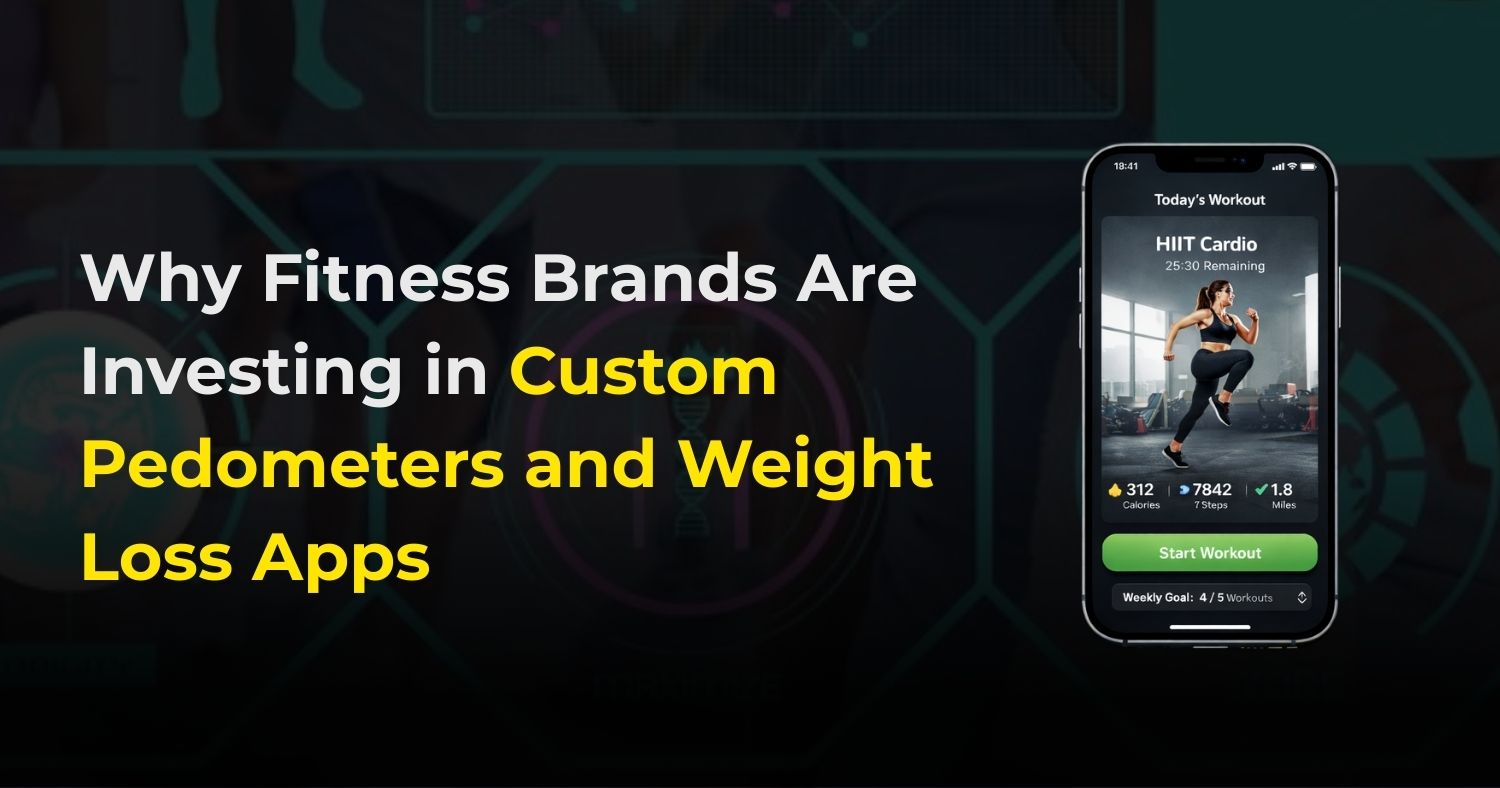
The fitness industry has undergone a massive transformation in recent years. With the rise of smartphones and wearable devices, fitness brands are increasingly leveraging digital solutions to engage users, monitor health, and promote a healthier lifestyle. Among these solutions, custom pedometers and weight loss apps have emerged as powerful tools that drive user engagement, foster brand loyalty, and generate revenue.
Fitness brands now recognize that investing in fitness mobile app development is not just a trend but a strategic move to maintain a competitive edge. Whether it’s helping users track daily steps, monitor calorie intake, or set weight loss goals, custom apps offer a personalized solution that keeps users motivated, informed, and on track.
The Rise of Fitness Apps: A Digital Revolution
In the last decade, fitness apps have become a crucial part of people’s daily routines. From counting steps to providing full-body workout plans, apps have revolutionized how individuals approach fitness.
Some key statistics highlight this trend:
- Over 60% of smartphone users globally have at least one health or fitness app installed.
- The global fitness app market is projected to reach $14 billion by 2026, growing at a CAGR of 21.6%.
- Users spend an average of 45 minutes per week engaging with fitness apps, tracking progress, or following workout routines.
These numbers reflect a growing interest in technology-driven fitness solutions. As a result, brands are actively exploring how to build a Fitness App that aligns with user expectations while supporting long-term engagement and scalability.
Why Fitness Brands Are Prioritizing Custom Apps
There are several compelling reasons why fitness brands are moving away from generic solutions and investing in custom apps:
Personalized User Experience
Every individual has unique fitness goals, body types, and lifestyles. A custom pedometer or weight loss app allows brands to tailor experiences for each user, including:
- Personalized step goals based on age, weight, and fitness level
- Customized meal plans for weight loss or maintenance
- Adaptive workout plans that evolve with user progress
By offering a personalized approach, fitness brands increase user satisfaction, engagement, and retention.
Direct Connection with Users
Custom apps create a direct channel for brands to communicate with their audience. Push notifications, in-app messaging, and progress reminders foster daily engagement. For example, a fitness brand can send motivational messages like:
- “You’re 1,000 steps away from reaching today’s goal!”
- “Try this low-calorie recipe for faster weight loss results.”
Such interactions strengthen user loyalty and increase the likelihood of app-based monetization through subscriptions or premium features.
Data-Driven Insights
Fitness apps collect a wealth of data, from step counts to sleep patterns. These insights help brands:
- Understand user behavior and preferences
- Identify popular features and areas for improvement
- Make informed decisions on new product launches or services
Advanced fitness app development services can integrate analytics tools to provide actionable insights while maintaining user privacy and security.
Revenue Opportunities
Custom apps are not just engagement tools—they are revenue generators. Brands can monetize through:
- Subscription models (monthly or yearly plans)
- In-app purchases for premium workout routines or diet plans
- Partnerships with nutritionists, fitness trainers, or wellness products
- Sponsored content and advertisements
Many businesses also evaluate development budgets early by understanding how much it costs to develop a Fitness App Like Strava, helping them plan features, timelines, and monetization strategies effectively.
Competitive Advantage
In today’s competitive fitness industry, brands that leverage technology gain a significant advantage. A custom pedometer and weight loss app differentiates a brand from generic solutions and demonstrates commitment to innovation and user experience.
Key Features of Custom Pedometer Apps
A pedometer app is a simple yet powerful tool to encourage movement and healthy habits. Essential features include:
- Step Tracking: Count daily steps accurately with device sensors and GPS.
- Distance and Calorie Calculation: Convert steps into distance traveled and calories burned.
- Goal Setting: Allow users to set daily, weekly, or monthly step goals.
- Progress Reports: Visual charts and trends showing improvement over time.
- Integration with Wearables: Sync with Apple Watch, Fitbit, or other devices.
- Gamification: Challenges, badges, and leaderboards to motivate users.
- Notifications: Reminders to move if the user has been inactive for a long time.
Advanced pedometer apps may also include AI-driven insights, suggesting personalized walking routes or exercise routines.
Key Features of Weight Loss Apps
Weight loss apps require more comprehensive functionality, focusing on both fitness and nutrition:
- Personalized Meal Plans: AI-generated diet suggestions based on calories, dietary preferences, and weight goals.
- Workout Plans: Exercise routines tailored for weight loss, strength, or flexibility.
- Progress Tracking: Track weight, BMI, body fat percentage, and measurements.
- Water and Calorie Tracking: Log daily water intake and caloric consumption.
- Reminders and Notifications: Encourage adherence to diet and workout plans.
- Community Features: Social forums, group challenges, and progress sharing.
- Integrations: Sync with wearables, smart scales, and health apps.
By combining these features, weight loss apps deliver a holistic approach to fitness, improving user motivation and success rates.
How Fitness Brands Benefit from Custom Apps
- Enhanced Engagement: Custom apps allow fitness brands to interact daily with their audience. Features like push notifications, gamified challenges, and community forums increase engagement and foster habit formation.
- Improved Retention: Users are more likely to continue using an app that adapts to their progress, provides personalized insights, and offers continuous motivation. High retention rates reduce churn and increase lifetime value.
- Data Monetization: Fitness apps collect valuable anonymized data, which can be leveraged for insights, product development, or collaborations with health and wellness companies.
- Brand Loyalty: Providing a seamless digital experience strengthens brand identity and positions the brand as innovative, tech-savvy, and customer-focused.
Role of Fitness Mobile App Development in App Success
Investing in professional fitness mobile app development plays a major role in the long-term success of pedometer, workout, and weight loss apps. A well-built app not only attracts users but also keeps them engaged and loyal over time.
Experienced development teams focus on building apps that are stable, secure, and easy to use. They ensure the app performs smoothly across devices and delivers accurate health data that users can trust.
Key contributions of professional fitness app development teams include:
- Smooth, fast, and bug-free app performance
- Seamless integration with wearables, GPS, and health data platforms
- Accurate tracking of steps, calories, distance, and activity levels
- Secure handling of sensitive health and personal data
- Compliance with data privacy laws such as GDPR and HIPAA
- Scalable architecture to support growing users and future features
By leveraging expert fitness app development services, businesses can create apps that offer strong functionality along with a premium and reliable user experience.
Latest Trends in Fitness App Development
Fitness apps continue to evolve with new technologies and user expectations. Staying updated with the latest trends helps apps remain competitive and engaging.
Popular trends shaping modern fitness apps include:
- AI-Powered Coaching: Apps use AI to analyze user behavior and provide personalized workout, nutrition, and recovery recommendations. This creates a more tailored fitness journey for each user.
- Augmented Reality (AR) Workouts: AR-based workouts offer interactive and immersive fitness sessions, making exercises more engaging and easier to follow at home.
- Advanced Wearable Integration: Seamless syncing with smartwatches and fitness bands allows real-time tracking of heart rate, steps, sleep, and calories.
- Gamification Features: Points, badges, leaderboards, and challenges encourage daily activity and improve user motivation.
- Subscription-Based Models: Free basic features with optional premium plans help apps generate revenue while keeping entry barriers low for new users.
Apps that adopt these trends stand out in a crowded market and achieve higher engagement and retention rates.
Challenges in Developing Fitness Apps
Despite the growing demand, fitness app development comes with several challenges that require expert handling.
Common challenges include:
- Data Accuracy: Ensuring precise step counts, calorie calculations, and activity tracking across devices and sensors.
- User Privacy and Security: Managing sensitive health data securely while meeting global privacy regulations.
- User Engagement: Keeping users motivated beyond the first few weeks through smart features and personalized experiences.
- Device and OS Compatibility: Making sure the app works smoothly across different iPhone models and iOS versions.
A professional fitness app development company helps overcome these challenges by using tested frameworks, secure systems, and user-focused design strategies.
Steps to Develop a Custom Fitness App
Building a successful fitness app requires a structured development process from idea to launch and beyond.
Step-by-step development process:
- Define Goals: Decide whether the app focuses on step tracking, weight loss, workouts, or a combination of features.
- Conduct Market Research: Study competitors, user expectations, and feature gaps in existing apps.
- Choose the Right Technology Stack: Select technologies such as Swift, Objective-C, Node.js, Firebase, HealthKit, and cloud services.
- Design UX/UI: Create a clean, simple, and engaging interface that is easy to navigate.
- Develop Core Features: Include activity tracking, goal setting, meal plans, reminders, and progress reports.
- Add Advanced Features: Integrate AI coaching, AR workouts, social sharing, and wearable connectivity.
Following these steps ensures the app remains scalable, user-friendly, and competitive in the long run.
Conclusion
Custom pedometers and weight loss apps have become essential tools for fitness brands seeking to remain competitive in a rapidly evolving market. By providing personalized experiences, real-time tracking, gamification, and integration with wearables, these apps help users achieve their fitness goals while driving engagement, loyalty, and revenue for brands.
Frequently Asked Questions
Related Posts

24 Feb 2026
How Much Does it Cost to Build an AI Powered Dating App in the USA
AI is changing online dating. Apps now use AI to study behavior, interests, and chats for better matches and safer experiences. Things like spotting f..
Matthew Connor

29 Jan 2026
How Custom AI Chatbot Development Services Can Boost Your Sales and Support
In today’s fast-paced digital world, custom AI chatbot development services can significantly enhance both sales and customer support for businesses o..
Matthew Connor
Join the newsletter and get all the updates.
Subscribe
 +1 (443) 454-3676
 sales@whitehalltechnologies.com
 501 East Las Olas Blvd., Suite 200 and 300, Fort
Lauderdale, Florida, FL 33301
501 East Las Olas Blvd., Suite 200 and 300, Fort
Lauderdale, Florida, FL 33301


